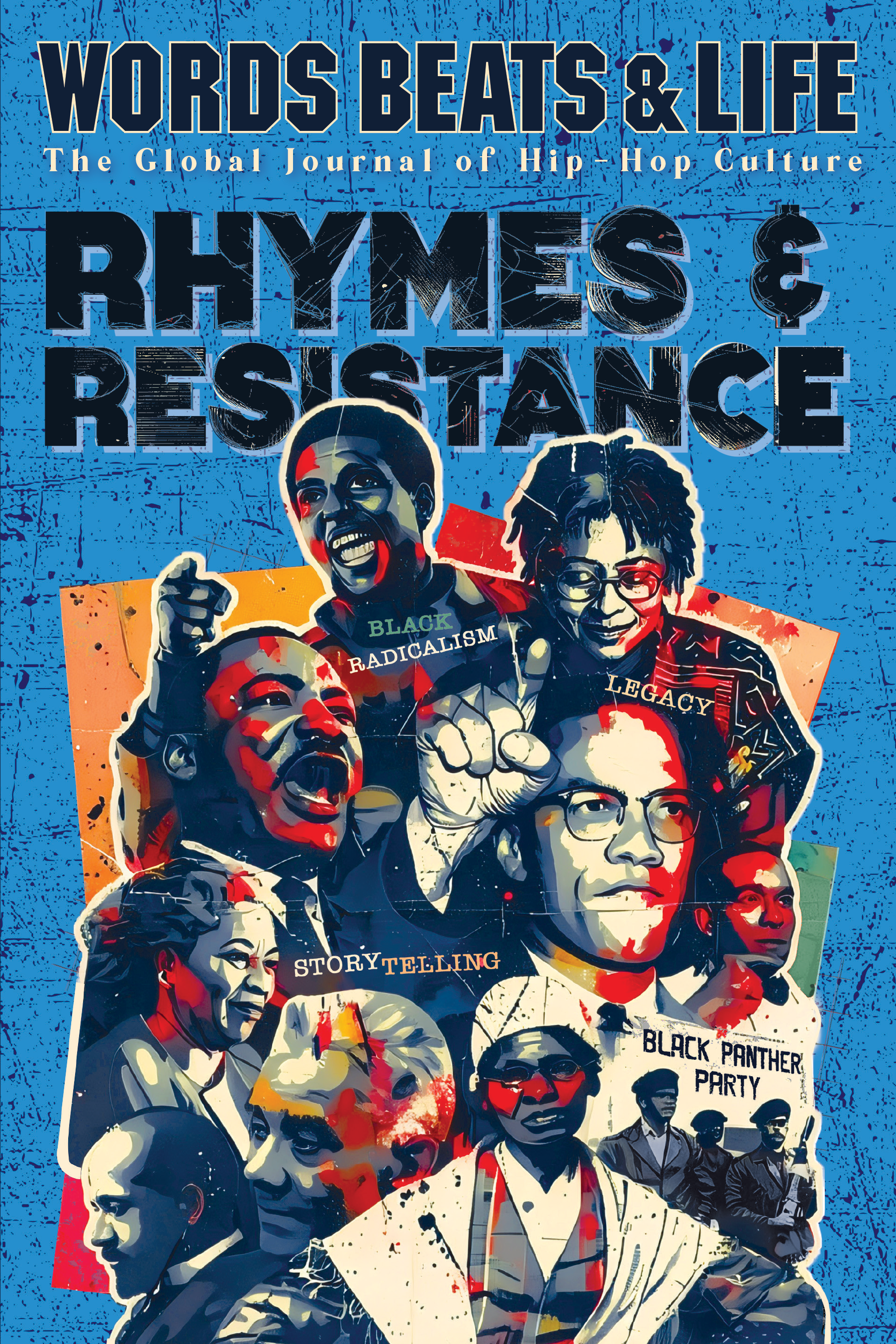
This issue of the Words Beats & Life: Global Journal of Hip-Hop Culture, features scholarship, interviews and cultural criticism examining hip-hop’s history, politics, art, education and global impact.
Read More

Global Journal
of Hip Hop Culture
The world’s first peer-reviewed global journal of hip hop culture is an international hip hop studies journal publishing research, interviews, poetry and visual culture.
Words Beats & Life: The Global Journal of Hip-Hop Culture is a peer-reviewed publication of Words Beats & Life, Inc. All content is protected under U.S. copyright law. With the exception of fair use, no part of this publication may be reproduced or used in any form or by any means without the prior written permission of Words Beats & Life, Inc. For permissions requests, educational use, or reprint inquiries, please contact submissions@wblinc.org
This issue of the Words Beats & Life: Global Journal of Hip-Hop Culture, features scholarship, interviews and cultural criticism examining hip-hop’s history, politics, art, education and global impact.
Read MoreThis issue explores how artists, scholars and organizers use hip hop to navigate post-apartheid identity, language and power. Centering women, queer artists and linguistically marginalized voices, it reveals South African hip hop as a political laboratory — where resistance traditions evolve and new theories of Blackness, belonging and Pan-African consciousness are actively forged.
Read MoreStreet Lit reveals urban fiction as more than popular storytelling — it is a living archive of Black survival, entrepreneurship and cultural power. Featuring voices like Omar Tyree, Aya de León and Ice Mike, the issue traces how hip-hop, feminism and street literature reshape the politics of storytelling.
Read MoreSpaces and Places examines how hip-hop maps the city through sound, movement and storytelling. Essays, poetry and visual art reveal how artists document displacement, memory and belonging while claiming the right to the city.
Read MoreHip-Hop in Brazil: Diaspora, Resistance, and Cultural Power explores Brazilian hip-hop as a powerful site of Afro-Brazilian resistance and cultural production. Brazilian hip-hop is not a copy of U.S. culture — it is a powerful movement rooted in Afro-Brazilian struggle and community organizing. This issue explores how artists and activists use hip-hop to challenge racism, state violence and inequality across Brazil.
Read MoreWhat does it mean to inherit hip-hop — and who gets to define its future? Who Are We? explores identity, legacy, and the future of hip-hop studies, examining how hip-hop shapes knowledge, pedagogy, and cultural memory across communities and institutions. Essays, interviews, poetry, and visual art consider how hip-hop functions as both cultural practice and intellectual tradition.
Read MoreHow does hip-hop teach, connect, and shape culture across borders? Volume 5, Issue 2 explores hip-hop pedagogy, identity, and global exchange through essays, visual work, and reflections from artists, educators, and scholars.
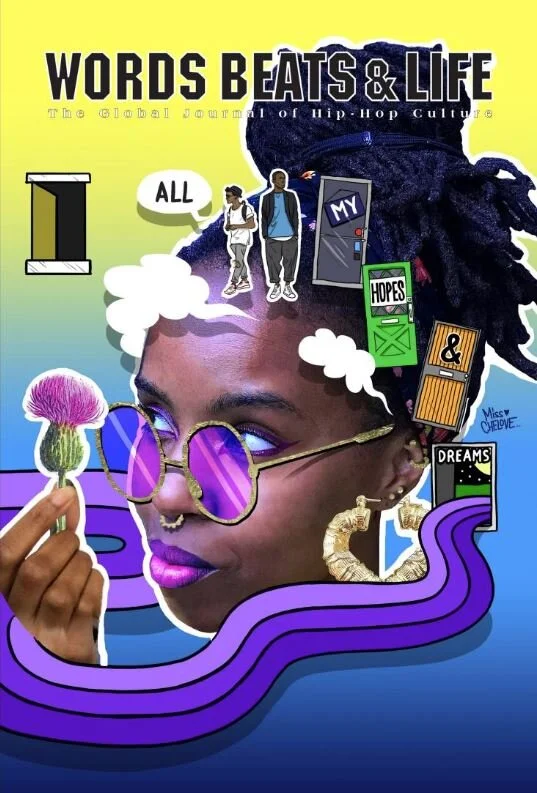
Read MoreFrom tattoo culture and feminist critique to street art and religious symbolism, the issue examines how hip-hop shapes identity across bodies, communities, and creative practice.
Read MoreThe Sex Issue situates sexual expression in hip-hop within systems of capitalism, visual culture, and gender politics. By centering women, queer artists, and labor economies, the issue reframes sex in hip-hop as a complex negotiation of agency, power, and representation.
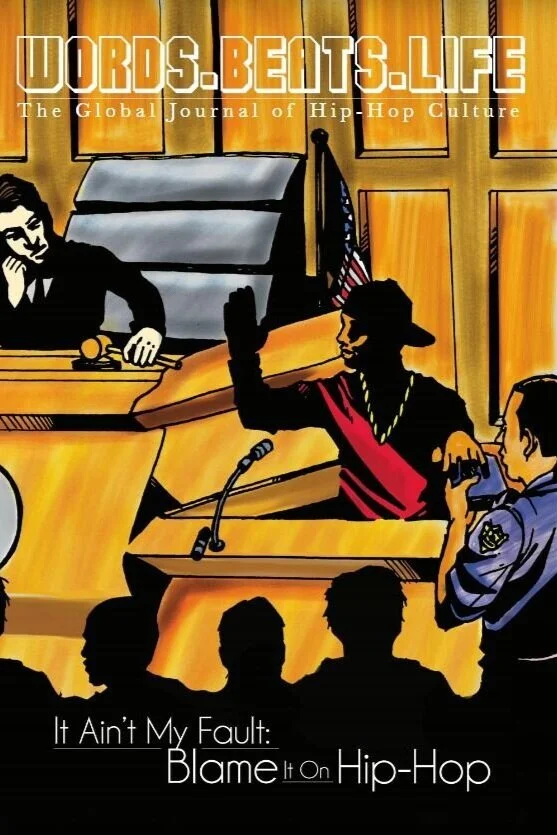
Read MoreVolume 4, Issue 1 examines why hip-hop is repeatedly blamed for broader social anxieties about race, youth, politics, and violence. Contributors challenge these narratives by situating hip-hop within histories of media scapegoating, cultural resistance, and global political expression.
Read MoreVolume 3, Issue 2 explores hip-hop’s underground economy through mixtapes, independent media, and grassroots distribution. Contributors examine copyright, cultural ownership, and the politics of underground creativity.
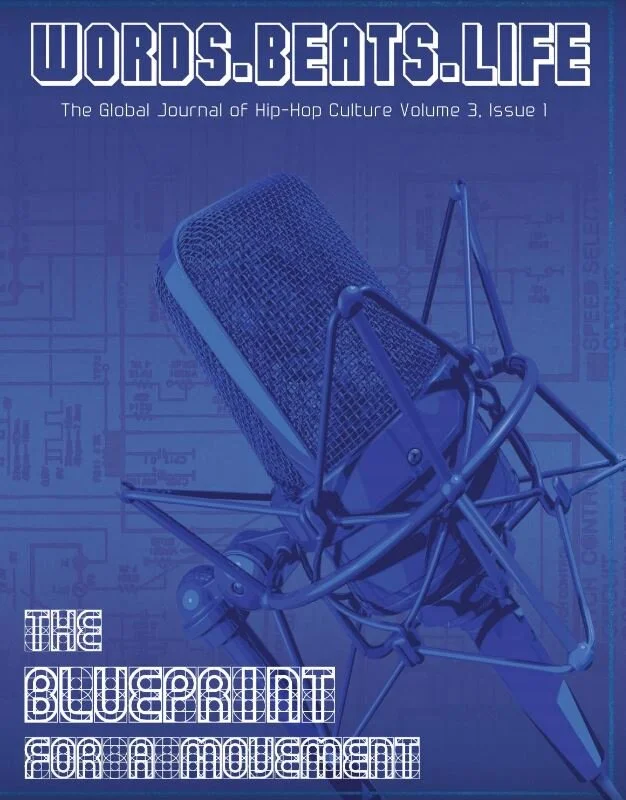
Read MoreVolume 3, Issue 1 examines hip-hop as an organized political movement. Essays, poetry, and interviews explore activism, surveillance, and the role of artists in building social movements.
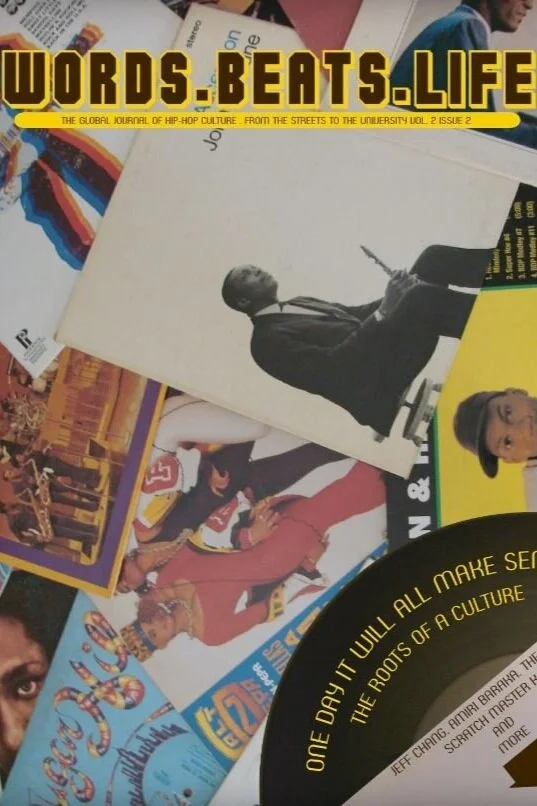
Read MoreVolume 2, Issue 1 examines the foundations of hip-hop culture and its role as an educational and political movement. Essays explore the conscious era of hip-hop and the ways the culture shaped identity, knowledge, and community learning.
Read MoreExplore hip-hop’s long lineage of Black cultural expression. By connecting hip-hop to the blues, philosophy and oral storytelling traditions, this issue demonstrates how the culture extends earlier forms of resistance, creativity and historical memory.
Read More“Poetry, Hip-Hop & Global Revolutions,” positions hip-hop within global movements for cultural and political change. Featuring international artists and communities, this issue of demonstrates how hip-hop operates as a shared language of resistance across borders.
Read MoreVolume 1, Issue 3 centers women’s contributions to hip-hop culture across music, art, and industry leadership. Essays, interviews, poetry, and visual art recover histories often erased from hip-hop narratives.
Read MoreVolume 1, Issue 2 examines how commercialization reshaped hip-hop culture. Contributors analyze advertising, corporate branding, and media influence alongside poetry and prison writing.
Read MoreVolume 1, Issue 1 introduces The Global Journal of Hip-Hop Culture as an early platform for serious hip-hop scholarship. Essays, poetry, and visual culture examine Black masculinity, political economy, and Washington, DC’s hip-hop scene.
Read More